Lupa Cleaning Blog · Professional Insights
7 Things Professional Cleaning Companies Do (That Most People Don’t)
Discover the techniques, systems, and tools that professional cleaners use to achieve hotel-level results — and why your home always feels cleaner after a professional visit.
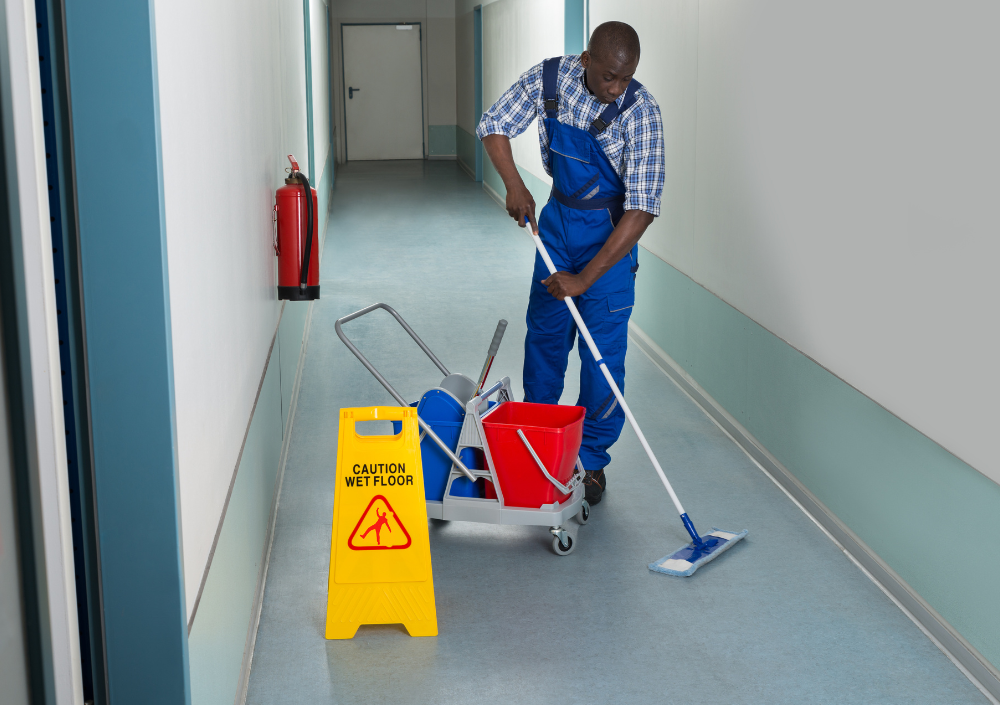
Have you ever noticed how your home feels different after a professional cleaning? The air seems lighter, surfaces shine more, and even small corners look fresher. It’s not just that professionals “clean more” — it’s that they use specialized methods, tools, and systems that most people at home never use.
Professional cleaning companies are trained to follow industry standards, use professional-grade products, and work with structured checklists. In this guide, we reveal 7 key things professional cleaners do that the average homeowner usually doesn’t — and how these habits transform the final result.
1. They Use Professional-Grade Products and Understand Cleaning Chemistry
Professional companies don’t rely on generic supermarket products. Instead, they use concentrated, commercial-grade formulas designed for efficiency, safety, and performance.
Typical products professionals use
- High-concentration degreasers for kitchens and appliances.
- Biodegradable, eco-conscious cleaners suitable for frequent use.
- Hospital-grade disinfectants for bathrooms and high-touch areas.
- pH-specific products for natural stone, wood, and delicate finishes.
- Commercial brands such as Zep, Diversey, Spartan, Betco, and Ecolab.
Why this matters
Most homeowners are unaware that using the wrong product — like an acidic cleaner on marble — can permanently damage a surface. Professional cleaners understand:
- pH levels and which surfaces they’re safe for.
- Dilution ratios to avoid residue or damage.
- Dwell time (how long a product must stay on a surface to disinfect properly).
- Which products can and cannot be mixed safely.
Pro insight: Professionals know that alkaline products are ideal for grease, acidic products help remove mineral buildup, and neutral cleaners protect delicate surfaces. This chemistry knowledge is a major reason their results look better and last longer.
2. They Follow a Strict Cleaning Protocol in the Correct Order
Professional cleaners never work “at random.” They follow a structured process known as a cleaning workflow, designed to reduce rework and prevent cross-contamination.
The professional cleaning order
- Declutter: remove objects from surfaces and floors.
- Dust from top to bottom: ceiling fans, shelves, light fixtures.
- Clean surfaces: counters, tables, cabinets, appliances.
- Detail small areas: handles, switches, corners, edges.
- Vacuum: floors, rugs, and upholstery.
- Disinfect high-touch points: knobs, remotes, switches.
- Mop last: to finish the room and leave floors streak-free.
Why this order works
Many people at home vacuum first, then dust — which simply sends dust back to the floor. Professionals always work from the top down and from the least dirty area to the dirtiest, ensuring every movement contributes to the final result instead of undoing it.
3. They Work With Detailed Checklists, Not Just Memory
Professional cleaning companies rely on structured, room-by-room checklists. These checklists are often customized for each client, property type, and service level (standard, deep cleaning, move-out, etc.).
What a professional checklist includes
- Standard tasks (dusting, wiping, vacuuming, mopping).
- Detail tasks such as cleaning baseboards and door frames.
- Spot-checking walls and light switches for fingerprints.
- Cleaning inside microwaves and around small appliances.
- Dusting behind TVs and around cables.
- Disinfecting bathroom fixtures and kitchen handles.
Instead of “cleaning what they remember,” professionals clean what is documented and required. This guarantees consistency: every visit, every room, every client receives the same level of attention.
4. They Focus on Corners, Edges, and Hidden Areas
One of the biggest differences between DIY cleaning and professional cleaning is the level of detail in hard-to-reach areas. Professionals are trained to look where dust and grime naturally accumulate — not just in the obvious places.
Areas professionals always check
- Behind and under sofas, beds, and large furniture.
- Edges of rooms along baseboards and corners.
- Grout lines in showers and on floors.
- Window tracks and sliding door rails.
- Behind toilets and around the base (high-germ zones).
- Under couch cushions and between seat creases.
- On top of doors, frames, and cabinets.
Tools they use
- Crevice vacuum tools for narrow gaps.
- Detail brushes and long-bristle dusting brushes.
- Steam cleaners for grout and corners.
- Extension dusters for high and hard-to-reach areas.
These details don’t just make the home look cleaner — they also reduce allergens, dust buildup, and bad odors that linger over time.
5. They Understand Different Surfaces and How to Care for Each One
Professional cleaners are trained in surface care. They know that each material has its own vulnerabilities, and using the wrong product can lead to stains, scratches, or permanent damage.
Common surfaces and professional care
- Hardwood: neutral cleaners, minimal water, and microfiber mops.
- Laminate: no steam, no excessive moisture, and non-abrasive products.
- Granite & marble: pH-neutral products only — never vinegar or acidic cleaners.
- Stainless steel: specific stainless steel cleaners to avoid streaks and corrosion.
- Porcelain tile: stronger cleaners are possible, but grout needs special attention.
- Glass & mirrors: ammonia-free cleaners for crystal-clear, streak-free results.
Common mistakes homeowners make
- Using vinegar on natural stone (which can etch and dull the surface).
- Using bleach on stainless steel (which can corrode and stain).
- Using abrasive pads on delicate glass or fixtures.
- Using “all-purpose” products on surfaces that require specific care.
Professionals avoid these mistakes because they are trained to protect the value and longevity of your surfaces — not just make them look clean for the day.
6. They Use High-Performance Commercial Equipment
The tools used by professional cleaning companies are often far more powerful than standard household equipment. This includes machines designed to remove deep dirt, allergens, and bacteria that regular tools simply can’t reach.
Typical professional equipment
- HEPA vacuums that capture microscopic dust, pollen, and pet dander.
- Commercial steamers for grout, bathrooms, and kitchen detailing.
- Upholstery extractors for sofas, chairs, and mattresses.
- Dual-bucket mop systems that keep clean and dirty water separated.
- Floor scrubbers for large surfaces like halls and office areas.
- Telescopic poles to safely reach high ceilings and fixtures.
Pro insight: With the right equipment, professionals not only clean what you can see, but also what you can’t — including deep dust, allergens, and embedded dirt that affect your home’s air quality and overall hygiene.
7. They Pay Attention to the Small Details That Transform the Whole House
Finally, the most visible difference between professional cleaning and “quick home cleaning” is the attention to tiny details. These details are what give that “hotel-level” finish.
Examples of details professionals look for
- Backs and bases of toilets — fully wiped and disinfected.
- Light switches and outlet plates free of fingerprints.
- Cabinet handles cleaned and polished.
- Top edges of doors and frames dusted.
- Trash cans cleaned inside and outside.
- Under the rim of kitchen counters wiped and degreased.
- Vents and air returns dusted and wiped.
- Lamp shades, picture frames, and decorative items carefully dusted.
These finishing touches dramatically change how a space looks and feels. They are small on their own, but together they create an impression of true cleanliness and care.
Conclusion
Professional cleaning companies don’t just work harder — they work smarter. They combine professional-grade products, surface knowledge, structured checklists, optimized workflows, and high-performance equipment to deliver a level of cleanliness that is difficult to replicate on your own.
By understanding what professionals do differently, you can both appreciate the value of hiring a quality cleaning service and also start applying some of these principles to your own routine at home.